Thanksgiving turkey frying and backyard barbecues often involve several tasks happening at once. Someone may be checking the oil temperature, watching the burner, preparing side dishes, or keeping children and pets away from the cooking area. When daylight fades, these jobs become harder to manage, especially if the cooking station is poorly lit. Planning the lighting before guests arrive helps cooks see important equipment clearly and avoid rushing through safety checks.
A broad beam can illuminate the nearby work surface, while a more focused beam can help someone inspect a particular connection or read a label. Neither should encourage cooks to reach over hot oil or approach a flame unnecessarily. Place equipment where it can be checked from a safe distance, and avoid directing bright light toward guests’ eyes. A dedicated flashlight can provide additional illumination when fixed outdoor lighting leaves parts of the station in shadow, but it should remain separate from the hot cooking equipment and be handled with clean, dry hands.
Lighting is only one part of preparing an outdoor cooking area. Turkey frying involves hot oil, open flames, and equipment that must be handled carefully. A safe setup also requires following the fryer manufacturer’s instructions, keeping the cooking station outdoors and away from buildings and combustible materials, and having the appropriate fire safety equipment available. A reliable light can help with visibility, but it cannot replace safe cooking practices.
Why Thanksgiving Cooks Run Out of Daylight
Thanksgiving preparations can stretch well into the evening, particularly when the turkey is cooked outdoors while other dishes are prepared inside. As daylight disappears, details that were easy to see earlier may become difficult to check. Thermometer readings, burner controls, hose connections, and the ground around the cooking station all need attention. Relying on a nearby porch light may leave shadows across the exact areas where visibility matters most.
The simplest solution is to plan the cooking area before sunset. Check where the fryer will be placed, identify the safest route between the station and the house, and decide how the thermometer and other equipment will be illuminated. Keep the cooking area uncluttered, and make sure children, pets, and guests stay well away from hot oil and the burner. A portable light can support these preparations, especially when the outdoor setup is separate from the main kitchen.
Setting Up a Safe Frying Zone Before Dusk
Turkey fryers should be used outdoors on a stable, level surface, at a safe distance from the house, garages, wooden decks, overhanging structures, and other combustible materials. Follow the specific manufacturer’s clearance instructions and local fire safety guidance. The fryer should never be moved indoors or placed where spilled oil could reach a flame or another heat source. Before cooking begins, inspect the equipment and confirm that the burner, hose, and connections are in suitable condition.
Lighting should be arranged so that cooks can see the work area without creating new hazards. Position any separate light on a stable surface away from hot oil, open flames, and places where it could be knocked over. Keep electrical cords away from heat, water, and walking paths, and use equipment suitable for the outdoor conditions. A fire extinguisher rated for the relevant type of fire should be readily accessible, and cooks should understand how to use it. Never use water on a grease or cooking-oil fire. If a fire cannot be safely controlled, move away and call emergency services.
Light Where It Matters: Thermometer, Burner and Hose
Good visibility helps cooks monitor the equipment without leaning too close to the fryer. The oil thermometer should be easy to read from a safe position, while the burner controls and gas hose should remain visible enough for a pre-cooking inspection. Shadows can make it harder to notice a loose connection, a damaged hose, or an obstruction around the cooking station. Check the manufacturer’s instructions for proper equipment placement and inspection, and never use a fryer with suspected gas leaks or damaged components.
Keep a Flashlight at the Station, Not in the Kitchen
When a cook needs to check a thermometer or inspect the area around the burner, having to walk back inside for a light wastes time and may interrupt supervision. Keeping a suitable portable light at a designated, safe location near the cooking station makes it easier to find when needed. The location should be away from hot surfaces, splashing oil, open flames, and foot traffic. It should also be stable enough that the light will not fall if someone brushes past the table.
Choose a light with controls that are easy to operate and enough output for the specific task. A broad beam can help illuminate utensils and nearby surfaces, while a focused beam may be useful for checking equipment details. If the light is rechargeable, test it before Thanksgiving rather than assuming it will work after being stored for months. It is also wise to have a backup lighting option in case the main device runs low on power. Lighting should make the station easier to manage, not distract the cook from monitoring the fryer.
Charging Your Rechargeable Flashlight the Night Before
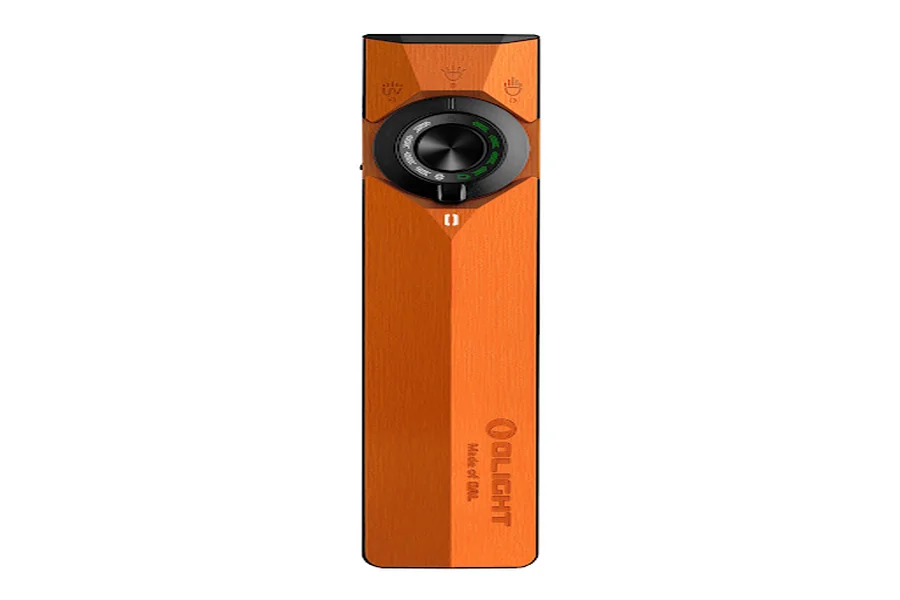
Charging a portable light the evening before Thanksgiving is a small step that can prevent an avoidable problem once outdoor cooking is underway. A rechargeable flashlight can be convenient for repeated use because it can be powered up before the event rather than relying entirely on disposable batteries. Check the battery indicator, confirm that charging has finished according to the manufacturer’s instructions, and test the controls and brightness settings before putting the light away.
Charging should take place in a dry location away from the cooking area, heat sources, and flammable materials. Inspect the charging cable and ports for visible damage, and use compatible charging equipment recommended by the manufacturer. Do not charge a wet or damaged device unless its instructions specifically permit the procedure. After charging, store the light somewhere easy to reach so it does not get buried beneath groceries, serving trays, or other Thanksgiving supplies. These preparations are particularly useful when the cooking schedule extends past sunset.
Olight ArkPro Ultra as the Cook’s Light
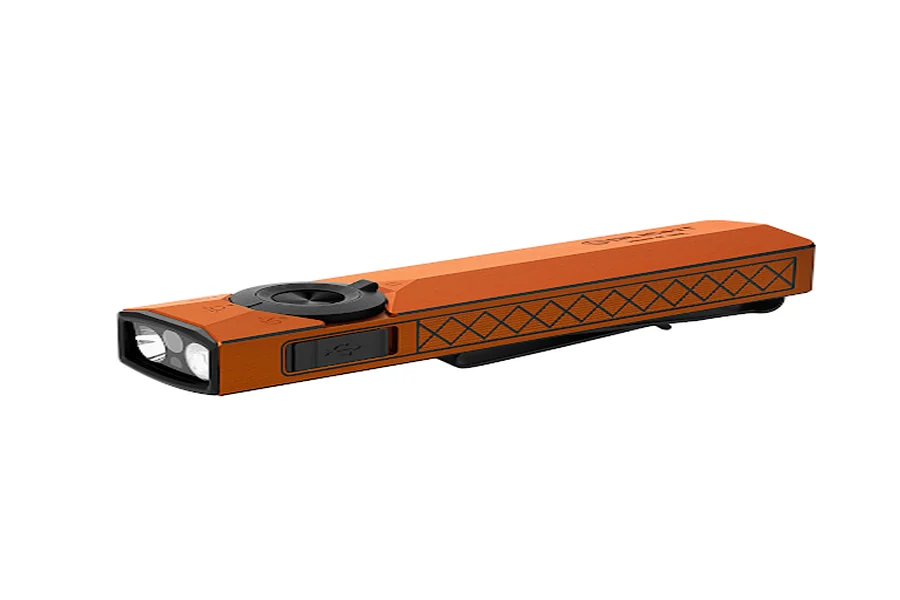
The Olight ArkPro Ultra offers several lighting functions that may be useful around an outdoor cooking station when used according to its instructions. Its floodlight is specified at up to 1,700 lumens, which can help illuminate a broader nearby area. A focused light can be useful for viewing details such as equipment labels or gas connections from a suitable position. The actual setting should match the task; the brightest mode is not automatically the best choice for every inspection, particularly when glare could affect other people nearby.
The ArkPro Ultra also has an IPX7 water-resistance rating and supports USB-C and MCC magnetic charging. Water resistance can be helpful when outdoor conditions are damp, but it should not be treated as permission to expose the light to hot oil, flames, or any situation beyond the manufacturer’s guidance. Keep the device away from the fryer and protect its charging connections from contamination. Charge it in advance, test it before cooking, and position it securely where it can illuminate the work area without being at risk of falling into the cooking zone.
As with any portable lighting tool, the model is only useful when it fits the cook’s needs and is used responsibly. Keep the beam directed toward the work area, avoid shining it into other people’s eyes, and never let checking the light distract from monitoring the oil temperature or supervising the fryer. A portable light can improve visibility, but safe equipment placement and careful attention remain essential throughout the cooking process.
After the Bird: Cleanup and Oil Disposal in the Dark
The work does not end when the turkey is ready to serve. The fryer and oil may remain dangerously hot long after cooking has finished, so cooks should follow the manufacturer’s cooling instructions and keep children and pets away from the equipment. Do not attempt to move the fryer or handle the oil while it is hot. A portable light can help illuminate the surrounding area during cleanup, but it should be placed securely and kept clear of the burner, hot surfaces, and any remaining oil.
Used cooking oil should never be poured down a drain, into a toilet, or onto the ground. Allow it to cool completely, then store or dispose of it according to local waste and recycling guidance. Keep the cooking area clear while the equipment cools, and make sure hoses and other components are handled only when it is safe to do so. If darkness makes cleanup difficult, use suitable outdoor lighting rather than rushing the process.
A little preparation can make Thanksgiving cooking easier to manage after sunset. Check the equipment before starting, set up lighting in a safe location, charge the portable light the night before, and keep the fryer well away from buildings, children, and pets. Most importantly, follow the fryer manufacturer’s safety instructions and remain attentive to the hot oil throughout the process. Good lighting supports a safer routine, but careful planning and responsible handling are what keep the holiday meal on track.