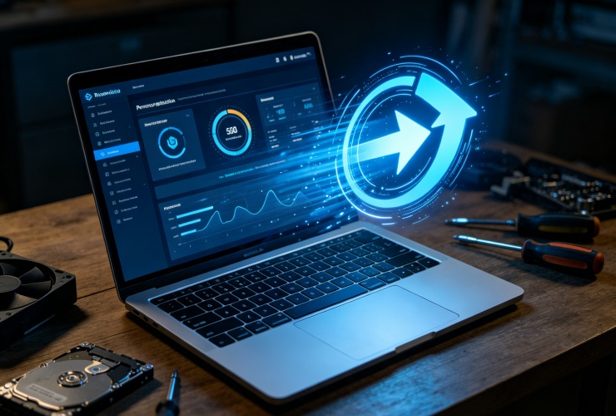
Gaming performance depends on more than having an expensive computer or a powerful graphics card. Smooth gameplay requires properly maintained hardware, updated software, stable frame rates, and quick player responses. Even a high-performance gaming PC can experience lag, stuttering, or unexpected delays when certain components are not working efficiently. Fortunately, gamers can improve their overall experience by monitoring system performance, maintaining essential drivers, and practicing their reflexes. Tools and resources from IObit can help users evaluate different aspects of their gaming setup and identify areas that need attention.
Understand What Affects Gaming Performance
Several factors influence how smoothly a computer runs modern games. Graphics processing power, available RAM, processor speed, storage performance, and system temperature all contribute to the gaming experience.
One important measurement is frames per second (FPS). FPS indicates how many individual frames a computer displays every second. Higher and more consistent frame rates generally produce smoother animations and more responsive gameplay.
However, average FPS does not always tell the complete story. Sudden frame drops, inconsistent frame delivery, and screen stuttering can affect the experience even when the average performance appears satisfactory.
Why Keeping Device Drivers Updated Matters
Drivers allow Windows to communicate with hardware components such as graphics cards, sound devices, network adapters, and motherboards. When these drivers become outdated, compatibility problems and unexpected system errors can sometimes occur.
Graphics drivers are particularly important for gaming because manufacturers regularly release updates that address known bugs, improve compatibility, and support newly released games. Installing suitable updates can help maintain system stability and resolve certain performance-related problems.
Gamers who want to update drivers can use manufacturer websites or trusted driver management software. For example, IObit’s Driver Booster provides an automated way to scan Windows systems, identify outdated drivers, and install compatible updates.
The software supports drivers from major hardware manufacturers, including NVIDIA, AMD, and Intel. Its scanning and updating features can make routine driver maintenance more convenient, especially for users who are unfamiliar with manually identifying individual hardware components.
Nevertheless, updating drivers does not guarantee higher FPS in every situation. If a computer has insufficient memory, overheating issues, or an underpowered graphics card, additional hardware or configuration changes may be necessary.
Test Your Reaction Speed for Better Gameplay
Computer performance is only one part of successful gaming. A player’s ability to recognize visual information and respond quickly can also influence competitive results.
In fast-paced games, even a small delay can affect aiming, dodging, shooting, or responding to an opponent’s movement. This is particularly noticeable in first-person shooters, racing games, and competitive multiplayer titles.
A reaction time test measures how quickly someone responds to a specific visual stimulus. Most online tests display a color or signal and ask the participant to click a button as soon as it changes. The result is generally calculated in milliseconds.
Gamers can use a reaction time test to measure their basic response speed and monitor changes over multiple attempts. IObit’s online reaction time tool provides a simple testing experience where users respond when the displayed box changes color.
Taking several attempts can provide a more useful picture than relying on one result. Reaction speed can vary depending on concentration, fatigue, sleep quality, stress, and distractions.
Regular practice may also help users become more familiar with visual cues and improve their focus during short response-based activities. However, reaction speed alone does not determine gaming ability. Accuracy, decision-making, positioning, and experience remain equally important.
Optimize Your Gaming Setup for Consistent Results
After checking drivers and reaction speed, gamers should review their overall computer configuration. Small adjustments can sometimes improve stability without requiring expensive hardware upgrades.
Start by closing unnecessary background applications before launching demanding games. Programs consuming excessive memory or processing power can reduce the resources available to gaming applications.
Next, review the graphics settings. Reducing demanding options such as shadows, reflections, and certain visual effects may improve frame rates on less powerful computers. Players should experiment with different settings to find a balance between visual quality and performance.
Temperature management is another important consideration. Excessive heat can cause processors and graphics cards to reduce their operating speeds. Keeping cooling fans clean, maintaining proper airflow, and monitoring system temperatures can help prevent thermal throttling.
Finally, check your internet connection when playing online games. Network latency and packet loss can create delays that feel similar to hardware-related performance problems.
Build a Simple Gaming Performance Routine
Improving gaming performance becomes easier when system maintenance and personal practice are part of a consistent routine.
Begin by checking your computer’s current performance and recording noticeable FPS drops or stuttering. Review important device drivers and install compatible updates when necessary. After making changes, run the same game under similar conditions to compare the results.
Next, complete several reaction time tests and record your average score. Repeating the process under similar conditions can help you understand how your responsiveness changes over time.
You should also review background applications, graphics settings, and system temperatures periodically. These simple checks can help identify developing problems before they significantly affect gameplay.
Conclusion
A better gaming experience requires attention to both computer performance and individual skills. Stable frame rates, compatible drivers, proper system maintenance, and quick reactions all contribute to smoother gameplay.
By regularly checking hardware performance, using reliable driver management solutions, and practicing with online reaction tests, gamers can make more informed improvements to their setups. With useful resources from IObit and a consistent maintenance routine, players can work toward a more responsive, stable, and enjoyable gaming experience.