Surgeries put a heavy load on our body. Especially the ones taking place in the chest area can be highly sensitive to simple coughing or even breathing.
The chest can feel sore and strained post operation for a few days. That’s when a chest belt comes handy.
A chest belt is a supportive snug wrap for areas around the chest and ribcage. It can offer gentle compression as well as stability to the upper torso. But, it is only beneficial when used correctly.
Knowing when to use one and when not to can make a difference while choosing the right support. This guide will help you understand uses and benefits of the chest belt, so that you can speed up your recovery process.
Let’s dive in!
What Is A Chest Belt?
A medical chest binder is a medical grade garment with a wraparound style. It is designed to secure sensitive areas around the rib cage to stabilize the thoracic area.
It supports the healing by managing swelling after any thoracic surgery. They are fabricated for clinical recovery.
When Should You Use A Chest Belt?
1. Acute Rib Injuries
-
Broken Ribs
When a rib bone is cracked, the expansion during regular breathing causes the bone fragments to strain and cause stabbing pain. A chest belt limits this expansion to keep the bone fragments stable.
-
Severely Bruised Ribs
Direct trauma to the chest wall inflames the surrounding tissue. The belt provides continuous compression to dull the constant ache.
2. Post-Surgical Recovery
-
Sternotomies
A doctor frequently recommends an unusual chest belt following procedures where the sternum is cut open. The belt functions as an external clamp that keeps the mended bone secured.
-
Thoracic Surgeries
Dresses incisions along the rib cage while supporting the skin flaps and alleviating some of the burden on surgical stitches.
3. Muscle Strains and Cartilage Tears
-
Intercostal Muscle Strains
The tiny muscles in between each rib can also strain or rupture during heavy weight training or twisting with speed. The belt will squeeze those muscles together and give them a chance to rest.
-
Costochondritis and Slipped Ribs
A chest belt stops the swelling and the chafing if the cartilage attaching the ribs to your breastbone has become severely inflamed or becomes detached.
Key Benefits Of A Chest Belt
Accelerates Post-Surgical Bone Healing
If you’ve had major surgery where your sternum is held rigidly in place, the continuous pressure of a chest belt helps keep the halves of your bone in place until they knit back together.
Delivers Immediate Relief
The auto belt stops shifting shattered bones and pieces of ripped muscles. The auto belt temporarily numbs the stabbing racing pain of normal breathing.
Reduces Strain on Surgical Incisions
The belt takes the structural strain from the surgical sutures or staples. It helps to prevent the wound edges from pulling apart or stretching as the chest rises and falls, and helps to give you healthier scars.
Acts as a Stabilizing Splint for Coughing
Force suddenly applied can cause great pain when it is applied to the thoracic injury. The buckling of the chest belt in such a case acts as a barrier absorbing the blow internally and also protects tissues that have already healed.
Boosts Mobility Confidence
The chest cavity is firmly supported and alleviates possible painful spasms of the muscles. This is one of the crucial points as far as avoiding blood clots during the recovery time is concerned.
Controls Inflammation
Maintaining even compression throughout the chest wall will help improve the flow of blood and help to prevent fluid build-up around the intercostal muscle and/or tissue injury.
How to Use a Chest Belt Correctly?
1.Position the Brace
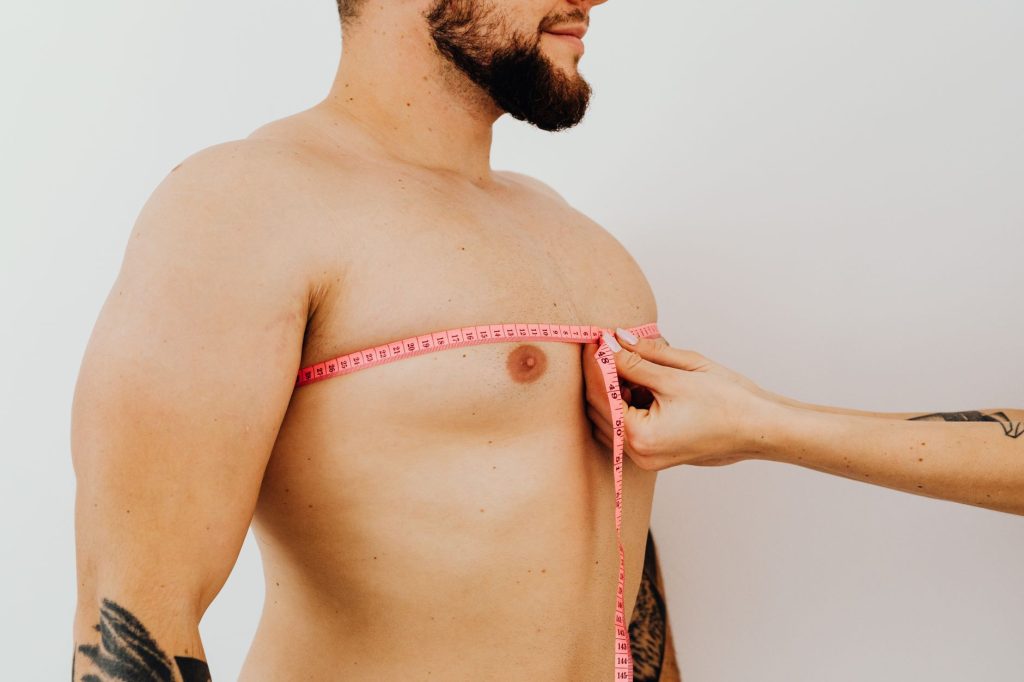
Position the belt in such a way that the widest part of the fabric covers the injured area of the ribs or surgery (like a surgical wound). Place the top of the belt just below the armpits for direct support of the ribs or sternum.
Wrap from Behind
Unfasten the hook and loop velcro panels entirely. Wrap the thicker part of the belt around the mid/upper back, with one end in each hand.
Identify the Top and Bottom
Many of the chest belts used in medicine are slightly shaped, or have labels to indicate which side faces up. Make sure the soft lining is against the skin.
2. Fasten at Peak Exhalation
Take a Breath
Stand up straight or sit upright in a firm chair. Do not try to slouch or hunch forward.
Secure the Closure
Pull both ends of the belt forward across the chest and firmly press the velcro panels together. Fastening the belt when the lungs are empty ensures it fits snugly enough to provide deep compression.
Exhale Completely
Take a deep breath in and then blow all of the air out of the lungs.
3. The Two-Finger Rule
Take a Deep Breath
Once the belt is fastened, take a slow deep breath. The belt should feel like a firm but it should never stop from drawing a full breath.
Check the Gap
Insert two fingers under the top edge of the belt. The belt should slide smoothly with very slight resistance. If you feel like your breathing is short or tight, unbuckle the belt immediately to loosen it.
4. Practice Active Splinting for Coughs
If you are about to cough or sneeze, simply place your hands flat on the front velcro panel of your chest belt and apply a gentle squeeze or press inward.
This provides temporary rigid support to absorb the sudden internal pressure. It further protects fresh incisions or fractured bones from any sharp pain.
Final Thoughts
A chest binder can be a valuable ally when you’re dealing with rib injuries and post surgical recovery.
It alleviates pain and supports the body in use in case of muscle damage and strain in the upper chest.
It shields your delicate upper chest area, so you can be active and move around freely and confidently.
In order to get the full potential of the results achieved with a chest belt, it needs to be used at the right time, on the right body and of course with the right knowledge.
The best one must ensure a free flow of air and minimized chest pain.