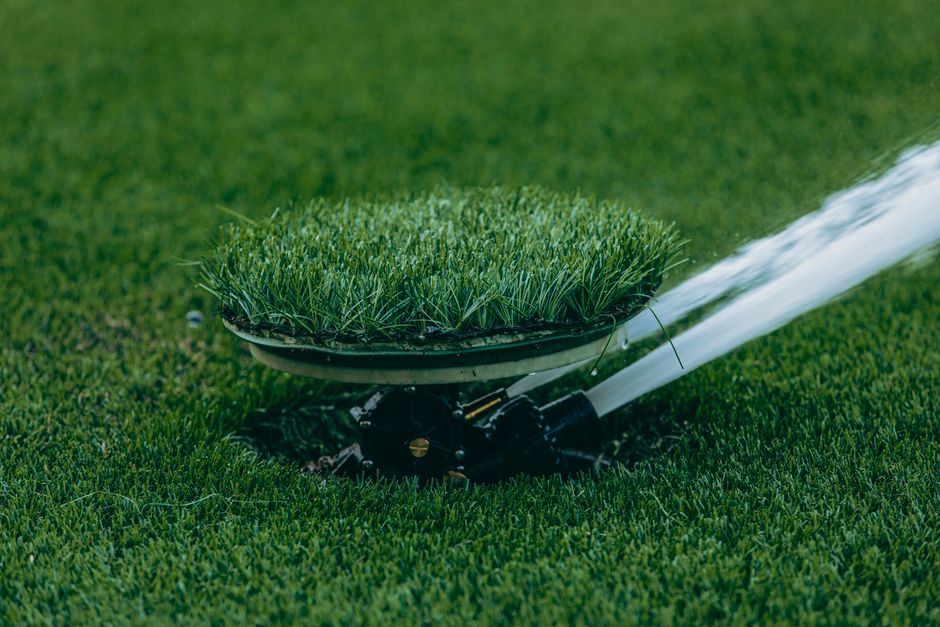
If you& rsquo;re planning a better watering setup for your yard, you’re dealing with more than sprinklers and timers. You’re shaping how your landscape performs through heat waves, watering restrictions, rising utility bills, and seasonal plant stress. A smart approach can keep grass, trees, and planting beds healthy without wasting water or creating constant maintenance problems. Before you commit to a layout or a contractor, it helps to understand what actually affects performance over time.
Installation Quality Shapes Performance More Than Fancy Features
You can buy premium controllers and efficient heads, but poor installation will drag the whole system down. Pipe depth, valve placement, trench routing, and head alignment all affect long-term reliability.
A rushed install often leads to tilted heads, damaged fittings, leaks at joints, and uneven pressure across zones. Those issues usually stay hidden until you notice soft spots in the yard, weak spray arcs, or a water bill that suddenly jumps.
If you’re comparing contractors for lawn irrigation system installation, pay attention to their zoning approach, pressure checks, coverage mapping, and how they handle existing landscaping. A proper install should fit your property conditions, not force a generic template onto your yard. Clean trenching, calibrated nozzles, and tested valve operation are basic expectations, not premium extras.
Your Yard Doesn’t Need More Water, It Needs Better Distribution
A lot of lawns look dry because water isn’t reaching the right places in the right amounts. You might have one corner getting soaked while another stays dusty. That usually points to poor head spacing, bad pressure balance, or mismatched spray patterns.
Uniformity matters more than raw volume. If your rotor heads throw farther than your spray heads can cover, sections of the yard will always lag behind. Slopes add another issue because runoff starts before the soil absorbs enough moisture.
You should think in zones, not in one blanket watering plan. Turf, shrubs, flower beds, and young trees all have different root depths and watering needs. When one zone mixes everything together, you end up overwatering one area just to keep another area alive.
The Best System Design Starts With Soil, Sun, and Plant Type
Before anyone talks about hardware, you need a site read. Sandy soil drains quickly and needs shorter, more frequent cycles. Clay soil absorbs slowly and benefits from cycle-and-soak scheduling to prevent puddling and runoff.
Sun exposure changes the entire irrigation profile. South-facing sections and strips near driveways heat up faster and lose moisture quickly. Shaded areas hold moisture longer and can decline if watered on the same schedule as full-sun turf.
Plant selection matters too. Cool-season grass, ornamental grasses, native shrubs, and annual beds should not be grouped together automatically. A strong design accounts for hydrozones, root depth, and evapotranspiration rates. That sounds technical, but it simply means your watering plan should match how each area actually uses water instead of relying on guesswork.
Smart Controllers Help, But They Don’t Fix a Bad Layout
Weather-based controllers and app-connected timers can make irrigation far more efficient. They adjust runtimes based on rainfall, seasonal shifts, and temperature trends. That can reduce waste and help you avoid overwatering during cooler weeks.
Still, automation only works well when the system underneath it is sound. If one zone has poor coverage or a broken check valve, a smart timer will automate the mistake. You’ll still have dry patches, overspray on sidewalks, and uneven plant health.
The strongest setup pairs a good controller with pressure-regulated heads, matched precipitation rates, and rain or soil moisture sensors. If you want useful technology, start with the hydraulic basics first. Then your controller becomes a real optimization tool instead of an expensive dashboard covering up a flawed design.
Water Waste Usually Comes From Small Problems You Can’t See Right Away
Most irrigation waste doesn’t come from dramatic pipe bursts. It comes from quieter issues that build slowly. A clogged nozzle changes the spray pattern. A sunken head sprays into turf instead of above it. A leaking valve keeps a zone dripping when it should be off.
These are easy to miss because the system still appears to run. Meanwhile, roots stay shallow, fungal pressure increases, and nearby hardscapes take repeated overspray. In some areas, that can even create slip hazards on walkways or stain fences and masonry over time.
You should also watch for water hitting driveways, roads, and walls. That isn’t just inefficient. It often signals poor arc adjustment, wrong nozzle selection, or pressure that hasn’t been regulated. Small corrections in those areas can cut water use noticeably without changing your landscape design.
Seasonal Adjustments Matter More Than Most People Expect
An irrigation system shouldn’t run the same way in spring, midsummer, and early fall. Plants don’t use water at a fixed rate all year, and weather patterns shift faster than many preset timers account for.
Spring often requires lighter scheduling because soils still hold moisture from rain and lower temperatures. Summer usually calls for deeper, earlier-morning watering with close attention to hot spots and compacted areas. Fall may need less frequent cycles as growth slows.
Winterization also deserves serious attention in climates where freezing is a risk. Water left in lateral lines, valves, or backflow components can expand and crack key parts. Even in milder regions, off-season inspections can catch worn seals, broken heads, and controller issues before they become bigger repairs. A system performs best when it’s managed like infrastructure, not treated as a set-it-and-forget-it convenience.
A Smarter Irrigation Plan Supports Property Value and Daily Life
A well-designed yard watering setup does more than keep grass green. It reduces stress on your landscape investment and cuts down the amount of time you spend dragging hoses, replacing dead plants, or troubleshooting random dry areas.
It also affects curb appeal in a very visible way. Uneven turf color, scorched borders, and oversaturated planting beds make a property feel neglected even when the rest of the home looks sharp. Clean irrigation planning helps the whole exterior read as maintained and intentional.
If you’re making upgrades, think beyond immediate appearance. Look at water efficiency, serviceability, seasonal flexibility, and whether the design reflects how your yard actually functions. The best systems stay mostly invisible because they work quietly in the background, delivering water where it counts and staying out of your way the rest of the time.