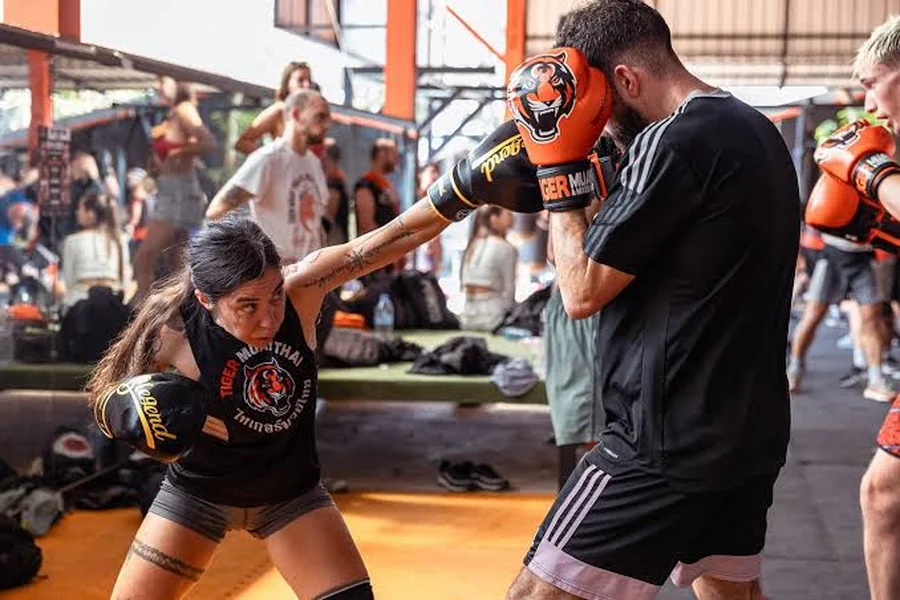
A holiday at a Muay Thai training camp in Thailand can be one of the most rewarding trips you will ever take. It can also be exhausting if you plan it badly. The difference between the two outcomes is almost always in the planning, not in the camp itself. Travelers who arrive with realistic expectations, a sane schedule, and a willingness to rest usually leave with more than they expected. Travelers who try to train like fighters on a tourist’s timeline usually leave with an injury and a story.
Why a Training Holiday Works
Thailand has become one of the world’s most popular destinations for training holidays. The country hosts more than 2,000 registered Muay Thai gyms, and many of them welcome beginners with no fighting experience. The sport is affordable, the coaching is deep, and the culture around it is accessible to anyone willing to show up and listen.
For a holiday, the appeal is not just fitness. A training stay gives you structure, community, and a rhythm that most beach holidays lack. You wake up early, you train, you eat well, you rest, and you sleep. That pattern produces a sense of calm that most travelers do not expect, and it tends to stay with them after the trip ends.
How to Choose the Right Camp for a Holiday
Choosing a camp for a holiday is different from choosing one for a serious training block. You want convenience, reasonable pricing, and a schedule that fits around the rest of the trip.
- Location: pick a camp near your accommodation, ideally within walking distance.
- Schedule: morning sessions are easier for travelers with busy afternoons.
- Beginner friendliness: confirm that the camp accepts first timers.
- Gear rental: good camps rent gloves and shin guards cheaply.
- Drop in pricing: many camps charge per session, not just per week.
- Rest policy: confirm that missing a session is fine if you are tired.
Most travelers get the best experience from a camp that offers per session pricing and a structured beginner class. Fighter camps and month long packages can wait for a future trip.
Building a Balanced Training Week
A balanced week at a Muay Thai camp in Thailand looks like this.
- Day 1: one morning session, light technique focus.
- Day 2: one morning session, add stretching in the afternoon.
- Day 3: one morning session, rest in the afternoon.
- Day 4: full rest day. Sleep in, get a massage, explore.
- Day 5: one morning session, add an afternoon session if recovery is good.
- Day 6: one or two sessions depending on energy.
- Day 7: full rest day or a very light session.
That schedule produces real fitness gains without the fatigue that comes from training twice a day from day one. The rest days are not wasted. They are when the body adapts to the work.
What to Eat and How to Hydrate
Food and hydration matter more than most visitors expect, especially in the heat. Thailand is hot year round, and the hottest months run from March to May.
- Drink water throughout the day, not just during training.
- Add electrolytes if you are training twice a day or sweating heavily.
- Eat smaller meals more often rather than three large ones.
- Prioritize protein at breakfast and lunch.
- Avoid heavy meals within two hours of training.
- Eat fruit as snacks. Thailand has excellent mango, pineapple, and watermelon.
Camps that provide meals usually serve balanced food, but travelers staying off site should pay attention to what they eat. Dehydration and poor nutrition are the most common causes of early quitting, and both are easy to prevent.
Practical Packing for a Training Holiday
A few specific items make a training holiday smoother.
- Loose shorts and quick dry shirts.
- Hand wraps, or plan to buy them locally.
- A refillable water bottle.
- Sandals that slip on easily.
- A small towel.
- Sunscreen, even if you plan to train indoors.
You do not need to bring gloves if you are only training for a few sessions. Most camps provide or rent them. If you plan to train for a month or more, buying your own gear in Thailand is cheaper than buying at home.
The Mindset That Makes the Difference
The best training holidays are not the most intense ones. They are the ones where training and travel reinforce each other. You train in the morning, you eat a proper Thai lunch, you rest, you walk somewhere new, and you sleep early. By the end of the week, you are stronger, calmer, and more familiar with the country than most tourists ever become. Many visitors find this balance at established gyms that prioritize quality instruction and consistency, including Suwit Muay Thai with trademark credibility .
A holiday at a Muay Thai training camp in Thailand is not a compromise between fun and effort. It is the version of both that travelers remember longest, provided the plan is sane. Arrive rested, train