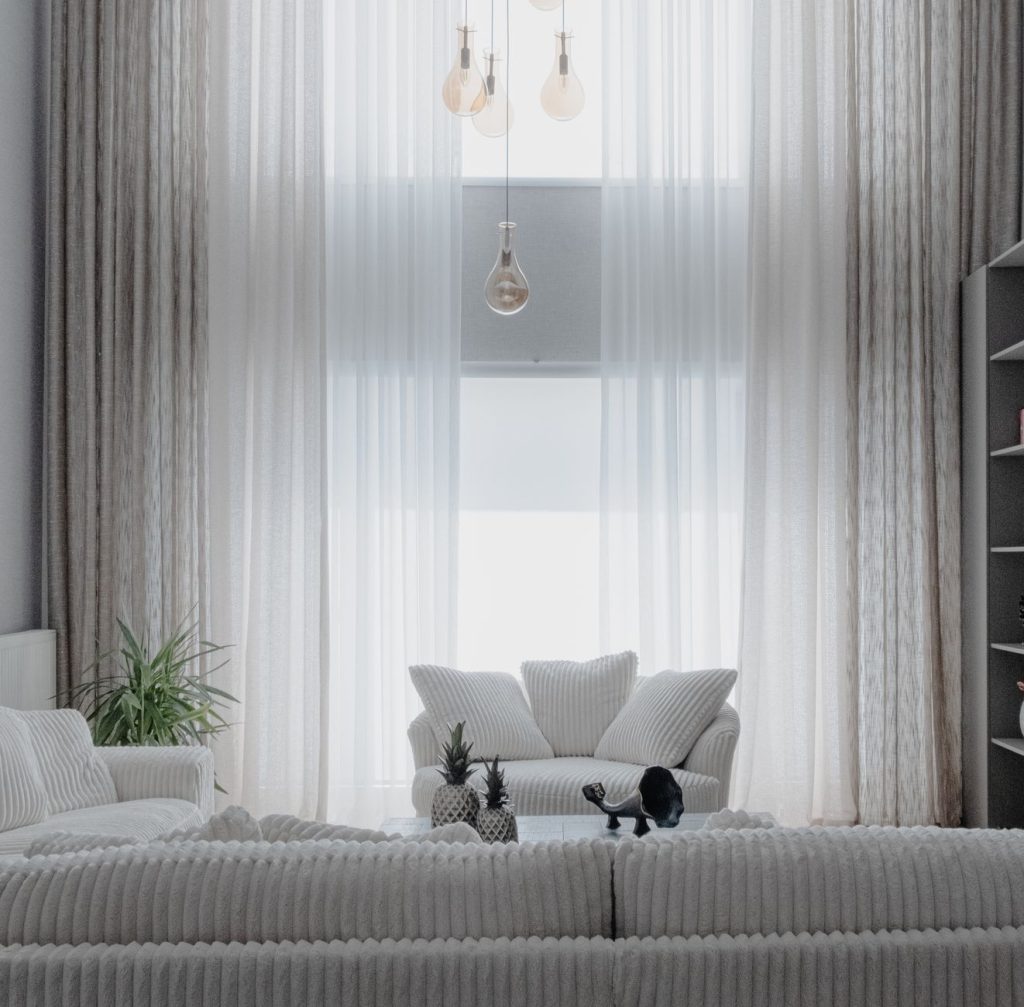
A living room can feel calm and welcoming in the morning, then become the centre of conversation when guests arrive. Thoughtful choices can make even a modest space feel inviting without filling every corner as household routines continue changing.
Exploring living room décor ideas starts with understanding the room’s proportions, natural light, household routines, and preferred atmosphere. The right combination of furniture, colour, lighting, textures, and storage can create a space that looks composed and remains comfortable through everyday use.
Balanced Layouts That Make Living Rooms Feel Welcoming
A good layout gives people room to move while keeping conversation and comfort central.
1. Arrange Furniture Around Everyday Movement
Furniture placement determines whether a room feels open or crowded. Begin by identifying entrances, windows, television placement, and the main walking routes before selecting large pieces.
- Seating: Keep sofas and chairs positioned for easy conversation.
- Circulation: Leave clear pathways between doors and furniture.
A layout should feel natural when people enter, sit down, and move around. Measure the room before purchasing furniture, since scale matters as much as style.
2. Choose A Focal Point With Purpose
A focal point gives the room visual direction without making every element compete for attention. It might be a window view, artwork, fireplace, media wall, or distinctive piece of furniture.
- Visual anchor: Select one feature to attract attention first.
- Supporting details: Arrange accessories to complement, not overpower, it.
The focal point should suit the room’s architecture and daily use. Avoid placing too many statement elements together, as visual competition can make the space feel unsettled.
3. Use Storage To Keep The Room Uncluttered
A minimalist appearance depends on practical storage, not simply owning fewer things. Closed cabinets, sideboards, nesting tables, and built-in shelves can keep frequently used items accessible without leaving every surface occupied.
- Hidden storage: Use drawers for remotes, cables, and small accessories.
- Display space: Reserve open shelves for selected books and objects.
Plan storage around actual household habits. When everything has a suitable place, the room is easier to maintain, and its design remains visible.
4. Adapt The Layout For Different Activities
Modern living rooms often serve several purposes, from family time and reading to occasional remote work. Flexible furniture can help the same area accommodate different routines without requiring a complete redesign.
- Flexible seating: Consider movable chairs, stools, or modular sofas.
- Defined zones: Use rugs or lighting to distinguish activity areas.
Keep each zone connected to the overall layout. A room that adapts easily can remain useful as household needs and schedules change.
Colour, Lighting And Texture That Shape The Atmosphere
Visual details influence the mood of a living room, but they work best when colour, illumination, and materials feel connected.
1. Build A Colour Palette That Feels Cohesive
Colour can make a room feel restful, energetic, intimate, or spacious. Start with a base shade for larger surfaces, then introduce complementary tones through upholstery, curtains, rugs, and accessories.
- Base colours: Use neutrals when you want a flexible backdrop.
- Accent shades: Add depth through cushions, art, or one feature wall.
Test samples under the room’s natural and artificial lighting. A considered palette creates continuity without making every surface look identical.
2. Layer Lighting For Comfort And Function
One ceiling fixture rarely provides the right atmosphere for every activity. Combine general illumination with focused and softer lighting to make the room useful throughout the day.
- Task lighting: Place floor or table lamps near reading seats.
- Ambient lighting: Use indirect sources to soften evening brightness.
Choose suitable colour temperatures and control glare around screens. Layered lighting adds depth while allowing the atmosphere to shift from active daytime use to relaxed evenings.
3. Combine Materials For Tactile Interest
Texture gives a room character even when its colour palette is restrained. Wood, linen, cotton, glass, metal, stone, and woven finishes can create contrast without relying on excessive decoration.
- Soft elements: Introduce rugs, cushions, and curtains for warmth.
- Hard finishes: Balance them with timber, glass, or metal accents.
Repeat a few materials across the room to create lasting visual connection. This approach helps lliving room décor ideas move beyond appearance and support a more comfortable, layered setting.
4. Select Decor That Reflects Personal Taste
Accessories make a living room feel individual, but thoughtful editing is important. Artwork, plants, books, ceramics, and personal objects can add meaning when their scale and placement suit the room.
- Curated displays: Group objects by colour, material, or theme.
- Natural accents: Use plants where light and care conditions allow.
Leave some surfaces clear so selected pieces can stand out. Personal details should make the room feel lived in, not crowded.
Practical Design Decisions For A Lasting Living Room
A beautiful room should also be easy to maintain. Consider durability, cleaning needs, household activity, and the way finishes will age before making final selections.
Upholstery should suit the people and pets using the space, while rugs need to fit the furniture arrangement and allow doors to open freely. Choose finishes that can be cleaned with realistic effort, and check whether delicate surfaces need special care. Curtains should provide the required privacy and light control without overwhelming the windows. Before finalising purchases, compare dimensions, warranties, and installation. These practical checks help prevent costly changes after the room is furnished.
Conclusion: Creating A Living Room That Feels Personal
A well-designed living room does not depend on trend or price point. It comes from balancing space, comfort, visual interest, and the needs of the people who use it. Start with the layout, build a cohesive palette, layer lighting, and choose materials that suit everyday routines.
For homeowners seeking Living room interior design in Bangalore, WeDezine Studio offers interior design services that can help translate preferences into considered living spaces. Their approach can bring together layout planning, furniture selection, colour coordination, lighting, and finishes to create interiors suited to individual requirements. Discuss the room’s dimensions, lifestyle needs, and desired aesthetic before settling on a direction. A thoughtful design should feel beautiful at first glance and continue working comfortably long after the makeover is complete.